
Does Himalayan Salt Have Iodine?
Iodine in Himalayan salt
Himalayan salt comes from the lap of Khewra Salt Mine close to the Himalayas in Pakistan. Many people often claim that Himalayan salt is loaded with natural elements and minerals.
The Himalayan salt is extracted by hand and minimally processed to deliver an unrefined salt that is additive-free. Considered to be more natural than regular iodized salt, the Himalayan salt also contains some levels of iodine.
We have a good selection of Himalayan salt be sure to visit our Himalayan salt collection
Himalayan salt is high in minerals as it is hand-extracted to preserve the natural elements. Himalayan salt is quickly replacing regular table salt in most restaurants and homes owing to its rich mineral content.
Himalayan salt has high levels of potassium, calcium, and magnesium. The Himalayan salt also contains some levels of iodine in its natural composition.
However, the levels of sodium and iodine in Himalayan salt are lower than that present in your regular table salt. You can get some iodine from consuming Himalayan salt regularly.

Does Pink Himalayan salt have iodine?
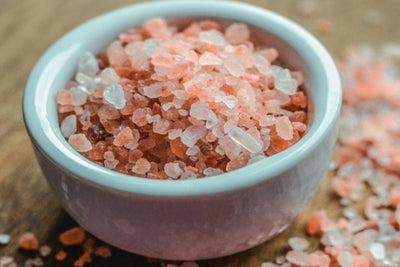
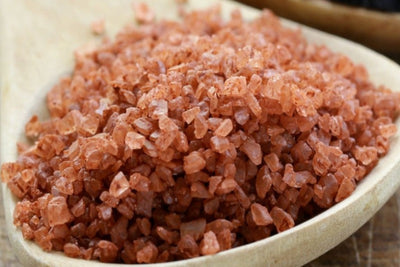
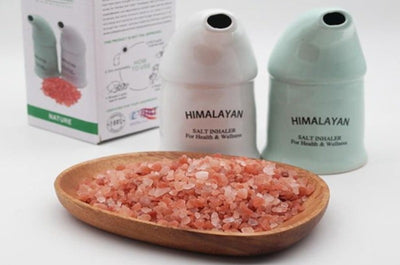
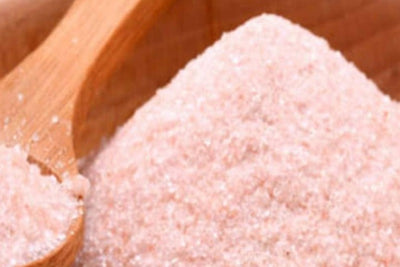
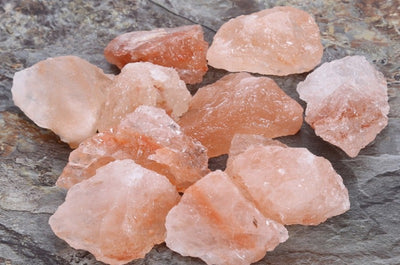
Pink Himalayan salt is processed from the mines of the Punjab area of Pakistan. It is a kind of rock salt that is found near the majestic Himalayas.
Some people believe it to be one of the purest forms of salt available in the market. Pink Himalayan salt has almost the same chemical composition as your regular table salt. It contains around 98% of sodium chloride.
The rest of the Pink Himalayan salt contains trace minerals like magnesium, potassium, and calcium. These minerals add a pink tint to this salt.
Approximately 70%-80% of households across the globe use iodized salt in their regular diet. Pink Himalayan salt may have some level of iodine in its natural composition, however, it is much less than iodized salt.
If you are looking for a salt that will serve as your major dietary iodine source, then iodized salt will be your best bet.

Which is better – Himalayan salt or iodized salt?
Iodized salt is produced through the evaporation of saltwater or the extraction of solid salt from salt mines. This salt undergoes a refining process to eliminate all impurities and other minerals except sodium chloride.
Anticaking agents and iodine are added in iodized salt to absorb moisture and prevent deficiency of iodine in consumers.
Pink Himalayan salt is minimally processed to retain the natural minerals and elements. These minerals are found in your regular table salt or iodized salt.
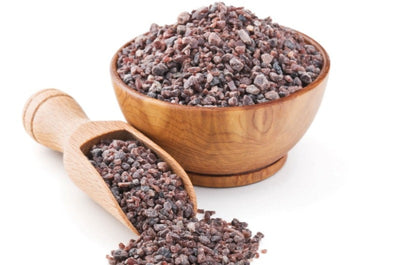
Both Himalayan salt and iodized salt mostly consist of sodium chloride. However, pink Himalayan salt comes with other trace elements and 84 additional minerals. The most common minerals present in Himalayan salt are calcium and potassium.
Himalayan salt also contains magnesium, iron, iodine, and others. However, iodized salt contains more iodine than Himalayan salt.
Most people claim that Himalayan salt is healthier than iodized salt owing to its rich mineral content. However, there is no scientific evidence to back it.
Summing Up
Himalayan salt contains a slightly less amount of sodium chloride than iodized salt. Himalayan salt also contains 84 minerals and trace other elements including iodine..
However, it is recommended to consume this salt within a normal limit to ward off any side effects of excessive salts in your body.